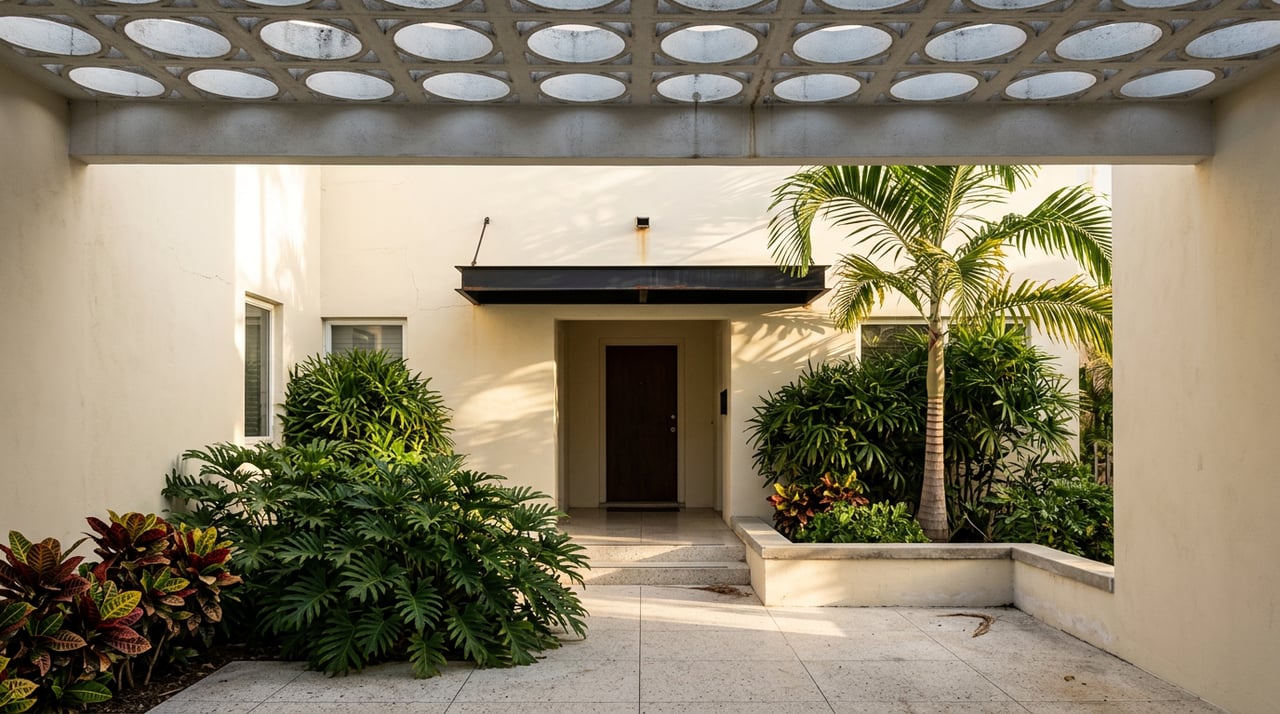
A condo at 7133 Fisher Island Drive went on the market in 2026 asking $18.3 million. It closed at $14.425 million, a discount of 21.2 percent, or just under $4 million negotiated off the asking price in a single transaction.
That gap is more than ten times the size of the Fisher Island Club initiation fee that every buying guide on the internet tells you to negotiate. Yet most buying guides focus on the club fee, rather than on how much buyers can negotiate off the asking price.
The Fee Every Guide Leads With
Search for how to buy on Fisher Island and you'll find the same fact repeated with different price tags attached. Some guides quote a $250,000 equity initiation fee with annual dues between $19,260 and $25,520. Others quote $350,000 with dues climbing as high as $53,000 depending on membership category. The Fisher Island Club's own membership page confirms equity membership is tied to property ownership and extends to a spouse and dependent children under 24, but it doesn't publish a number, which is exactly why the guides disagree.
The advice that comes attached to this fee is consistent across sources: negotiate the initiation cost as a closing credit built into the purchase contract rather than paying it separately at closing. That's sound guidance, and it's also no longer a secret. It's the first thing any agent who has closed a Fisher Island deal will tell you, and it's the first thing any seller's agent expects to hear across the table.
The club fee is one part of the negotiation; the purchase price can have an even larger effect.
Looking Beyond the Club Fee
Fisher Island trades in a market so thin that standard metrics behave strangely. There are roughly 700 households on the island, five primary condominium buildings, and a construction pipeline that ends this year with Six Fisher Island, which topped out in March 2026 and is described across the market as the last ground-up project the island's remaining land will support.
That scarcity is the story everyone tells about why prices hold. In a thin market, scarcity can also make pricing less precise. When a market closes only a handful of sales in a given month, sellers and their agents are pricing against comps that may be a year old, a different building, or a headline sale that isn't representative of what a typical unit will actually clear at. The result shows up plainly in the data.
| What the market shows | Figure | Window |
|---|---|---|
| Example closing discount (7133 Fisher Island Drive) | $18.3M asking to $14.425M closed, 21.2% off | 2026 |
| Share of closings below original asking price | 88.4% | 2023 through mid-2026 |
| Median seller give-back on those closings | $800,000 | 2023 through mid-2026 |
| Median days on market for a closing | 77 days in 2025, stretching to roughly 195 days year-to-date | 2025 vs. 2026 YTD |
| Club initiation fee range across published sources | $250,000 to $350,000 | 2026 |
Read the table straight through and the comparison makes itself. Buyers spend their negotiating energy on a fee that tops out at $350,000, while the market has been quietly giving back a median of $800,000 on the purchase price itself, with median days on market more than doubling from 2025 to 2026 YTD. The initiation fee is the visible number because it's fixed, published, and easy to argue about in an email. The pricing gap is the real number because it's specific to each listing, invisible until someone pulls the comps, and worth more than double.
Why the Gap Exists
None of this means Fisher Island is soft. Sellers here face no financial urgency, most properties are held for years or decades, and there's no shortage of published data on record-setting trophy sales, including a penthouse that traded from $18.7 million in 2021 to $37 million in 2024. That's the kind of sale that gets quoted in every market recap, and it's also exactly the kind of outlier that can make an ordinary list price seem better supported than it is.
A market that closes a handful of transactions a month doesn't self-correct the way a liquid market does. A seller who lists based on the last headline sale in their building, or based on where prices sat before the buyer pool thinned out, can sit for six months before conceding to where actual demand is. That's the mechanism behind the stretch from 77 to roughly 195 days on market, and it's the reason 88.4 percent of closings since 2023 have landed below the original ask. Sellers aren't desperate. Asking prices based on older or unrepresentative comps can take months to align with current buyer demand.
For a buyer, that's leverage, but only if you know it's there before you write an offer that anchors too close to the asking price out of deference to how exclusive the address sounds.
Two Other Costs to Get in Writing
Beyond price, two friction points are worth confirming before you submit anything.
Association approval isn't automatic. Every purchase on Fisher Island goes through a review by the Fisher Island Community Association that covers financial qualification and general fit within the community's governance structure. It's a less invasive process than a Manhattan co-op board review, but it's more involved than a standard Florida condo association sign-off, and it adds a documentation timeline that a mainland Miami transaction doesn't carry. Build that timeline into your contract dates rather than discovering it after you're under contract.
The fuel terminal fight is still live, and it's worth asking about. A roughly 10-acre PortMiami fuel facility sits on Fisher Island itself, and it became the subject of a public dispute in 2026 after Miami-Dade Mayor Daniella Levine Cava ended negotiations to purchase the site from developer HRP Group for $400 million. The county commission then voted in June 2026 to pursue the property through eminent domain, a process The Real Deal reported could ultimately cost the county more than the deal it walked away from. HRP has said it will fight the action, and Fisher Island residents have filed suit against the county twice over how the process has been handled, according to Axios Miami's reporting. This is a separate parcel from the island's residential buildings, but it's close enough that it's worth a direct question to your agent about how any outcome, condemnation, continued industrial use, or redevelopment, could affect noise, ferry logistics, or long-term land use on the island.
Before you make an offer on Fisher Island, get answers in writing on:
- The current initiation fee and dues schedule directly from the Club, not from a published guide, since figures have varied by tens of thousands of dollars across sources this year.
- Whether the initiation fee can be structured as a seller-funded closing credit, and get that in the contract language, not a verbal agreement.
- The building's specific comparable sales from the past 90 days, not the past year, given how quickly a thin market's pricing baseline can shift.
- The association's current approval timeline and documentation checklist, in writing, before your inspection period starts.
- Whether the property you're considering has any proximity consideration tied to the fuel terminal parcel, and what your agent knows about the current status of the dispute.
FAQ
Is Fisher Island Club membership actually mandatory? Sources differ on the framing. Some describe it as a required condition of ownership, others describe it as technically separate from the deed but functionally required since nearly every island amenity, including the golf course, the beach club, and the marina, is club-access-only. Either way, budget for it as a certainty, not an option.
How does the ferry factor into closing logistics? Fisher Island is reachable only by private ferry, private yacht, or helicopter, with the ferry running a roughly 7.5-minute crossing from Terminal Island around the clock. Inspections, appraisals, and any in-person walkthroughs need to be scheduled around that access point, which can add a coordination step that a mainland closing doesn't require.
Why do published price figures for Fisher Island vary so widely? Because the market is thin enough that a single trophy sale, like a $37 million penthouse trade, can pull an average sharply upward, while trailing MLS figures built on the actual handful of recent closings tell a more modest story. Ask for the underlying comps, not just the headline number.
Fisher Island rewards buyers who separate the number everyone talks about from the number that actually decides what you pay. If you're weighing a purchase on the island or comparing it against other waterfront enclaves across Miami Beach, Amanda Wood can walk through the current comps, the club's actual fee structure, and what a specific building's recent closings say about where an offer should start. Let's Connect.
This article is general information, not legal, tax or financial advice. Consult a qualified professional about your situation.